
How to Design a Professional Business Card
Buchi D. Vitalis
6/19/20246 min read
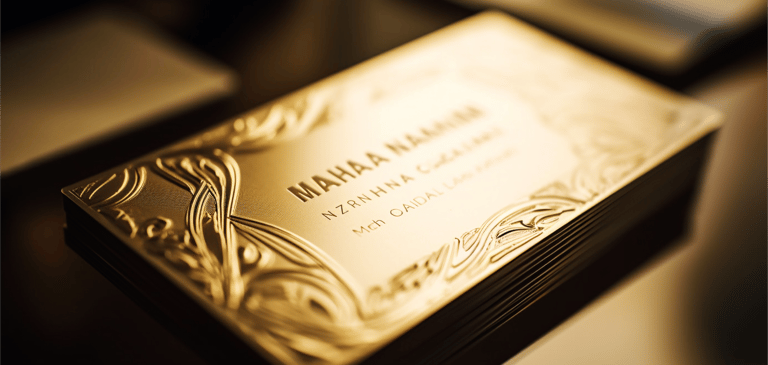
Your business card is often the first impression you make on potential clients or collaborators. It's a tangible representation of your brand and personality, making it crucial to design it professionally. A well-crafted business card not only conveys your contact information but also reflects your professionalism and attention to detail. In this guide, I'll share essential tips and examples to help you design a business card that leaves a lasting impression.
1. Understand Your Brand Identity:
Before diving into the design process, it's essential to understand your brand identity thoroughly. Your business card should align with your brand's colours, fonts, and overall aesthetic to maintain consistency across all marketing materials.
Example: If you run a modern tech startup, you might opt for clean lines, minimalist design, and bold typography to reflect your innovative approach. On the other hand, a creative agency might incorporate vibrant colours, playful illustrations, and unique textures to showcase its artistic flair.
2. Keep It Simple and Clear:
Cluttered business cards can overwhelm recipients and dilute your message. Keep the design clean and straightforward, focusing on essential information such as your name, job title, company name, and contact details. Avoid overcrowding the card with unnecessary elements that distract from the main purpose.
Example: Use a clean layout with ample white space to enhance readability. Opt for a legible font size and style that complements your brand's personality. Highlight crucial details like your email address and phone number by making them slightly larger or bolder than other text.
3. Choose the Right Size and Shape:
While traditional business cards are typically rectangular, don't be afraid to think outside the box. Consider alternative shapes or sizes that can help your card stand out in a stack. However, ensure that the card still fits into standard business card holders and wallets for practicality.
Example: A graphic designer might opt for a square-shaped card to showcase their creativity, while a landscaping business might choose a card shaped like a mini gardening tool to reinforce their brand identity.
4. Focus on Quality Materials:
Investing in high-quality materials can elevate the look and feel of your business card, leaving a positive impression on recipients. Choose durable cardstock with a professional finish that reflects your brand's image, whether it's glossy, matte, or textured.
Example: A luxury brand might opt for thick, matte cardstock with a soft-touch finish to convey sophistication and exclusivity. In contrast, an eco-friendly company might choose recycled paper with a natural texture to align with its sustainability values.
5. Incorporate Brand Elements:
Your business card is an extension of your brand, so incorporate brand elements such as your logo, colour palette, and visual motifs into the design. Consistent branding across all touchpoints reinforces brand recognition and credibility.
Example: Use your logo as a focal point or incorporate it into the background of the card for subtle branding. Choose colours that match your brand's palette and use them strategically to create visual hierarchy and cohesion.
6. Design on Both Sides:
Designing both sides of a business card offers practical and creative advantages. It also presents an opportunity for branding consistency and engaging design elements, contributing to a memorable impression on the recipient. Thus, incorporating both sides is recommended for an effective business card design.
Example: Designing both sides of a business card ensures a professional and organized presentation. The front holds the logo and slogan, while the back holds essential contact details, maximizing impact and leaving a lasting impression on recipients.


7. Proofread Carefully:
Typos and errors can undermine the professionalism of your business card, so proofread the content carefully before sending it to print. Double-check contact details, spelling, and grammar to ensure accuracy.
Example: Enlist the help of a trusted friend or colleague to review the card before finalizing the design. Fresh eyes can often catch mistakes you might overlook after staring at the design for too long.
Summary:
Designing a professional business card is crucial to establishing your brand identity and making a memorable first impression on potential clients. Remember, your business card is not just a piece of paper—it's a powerful marketing tool that represents you and your brand wherever it goes. So, take the time to design it thoughtfully and watch it open doors to new opportunities.
I encourage you to share and enlighten your friends and followers if you find this information helpful.








Copyright © 2024 Smardein. All rights reserved.